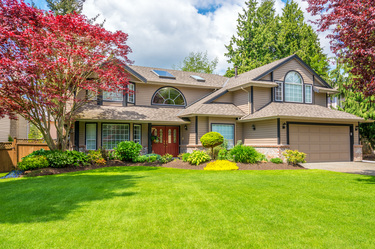
Property Insurance
As your largest investment, it's important to make sure your home has the proper insurance coverage. We'll protect your home and everything in it for the lowest possible price.
As your largest investment, it's important to make sure your home has the proper insurance coverage. We'll protect your home and everything in it for the lowest possible price.
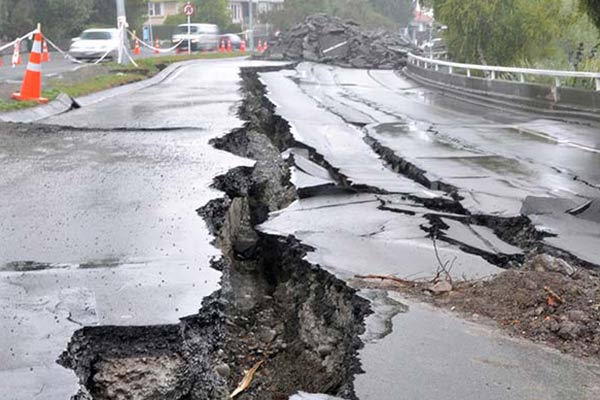
Earthquake insurance is a form of property insurance that pays the policyholder in the event of an earthquake that causes damage to the property. Most ordinary homeowners insurance policies do not cover earthquake loss.
Most earthquake insurance policies feature a high deductible, which makes this type of insurance useful if the entire home is destroyed, but not useful if the home is merely damaged. Rates depend on location and the probability of an earthquake. Rates may be cheaper for homes made of wood, which withstand earthquakes better than homes made of brick.

Flood insurance provides protection against property damage caused specifically by flooding—a risk not covered by standard homeowners policies. Insurers assess a property’s flood risk using elevation and flood-zone maps. Despite the widespread risk, only about 20% of at-risk U.S. homes carry flood coverage, and most private insurers avoid offering it due to adverse selection.
Under the National Flood Insurance Program, flooding is defined as the temporary inundation of land or property caused by inland water overflow, rapid surface-water accumulation, mudflow, or similar events. Floods may result from storms, hurricanes, earthquakes, or landslides, but damage from these events is not covered unless a separate flood policy is in place.

Landlords’ insurance protects property owners from financial loss related to their rental properties. It generally covers the building itself and can optionally include the landlord’s own contents inside the unit. Often called buy-to-let insurance, it typically applies to a single mortgaged rental property, while multi-property insurance extends coverage to two or more units.
Policies usually insure against common perils such as fire, storm, flooding, theft, and malicious damage, with optional add-ons like accidental damage, legal expenses, rent guarantee, or landlord liability. These policies do not cover tenants’ personal belongings, though landlord liability coverage may benefit tenants in cases where the landlord is responsible for a loss.

Renters’ insurance provides many of the same protections as homeowners insurance, including liability coverage and protection for a tenant’s personal belongings against perils such as fire, theft, and vandalism. It does not cover the building itself—only the landlord insures the structure—though small tenant-made improvements may be included.
The amount of coverage needed depends on the value of your possessions and your ability to replace them if they were damaged or stolen, as well as your potential exposure to liability claims. In general, if you’ve ever wondered whether you need renters’ insurance, the answer is almost always yes.